Classic radiators and convectors concentrate heat around themselves first; hot and cold zones form within the room, and while the ceiling stays warm the floor level can remain cool. Underfloor heating works on the opposite principle: it spreads heat across the entire floor and warms the room from the bottom up, in the most comfortable way. This difference directly affects both living comfort and the energy balance. Especially when planned correctly during a renovation, underfloor heating permanently raises a home's comfort level.
But is this system really suitable for every home, or only for new buildings? The short answer: with the right planning, it can be adapted to both a new build and the renovation of an existing home. The longer answer depends on the system type, the floor condition and the purpose of use — and the rest of this guide is designed to clarify exactly that. Underfloor heating basically divides into two large families: water (hydronic) systems in which warm water circulates, and electric systems that run on cable or foil. Both aim for the same comfort, but they differ markedly in installation, thickness, operating logic and suitability for renovation. The right choice comes from understanding these differences.
What Is Underfloor Heating and How Does It Work?
Underfloor heating is based on the principle of hiding the heating elements (water pipes or electric cable/foil) beneath the floor covering, turning the entire floor into a large heating surface. Unlike conventional systems, the heat spreads not from a single point but from the whole floor:
- Heating by radiation: Rather than heating the air directly, underfloor heating warms surfaces and people by radiation. This creates a soft, uniform comfort similar to the natural warmth felt under the sun.
- Low surface temperature: Because it is spread over a large area, the system operates at low surface temperatures. You feel not an uncomfortable heat underfoot, but a balanced, comfortable warmth.
- Even heat distribution: Every corner of the room stays at a similar temperature; sharp differences such as hot in front of the radiator and cold by the window disappear.
- Invisible infrastructure: Because the whole system is hidden beneath the floor, there is no need to make room for radiators on the walls or in the space. This offers complete freedom in both aesthetics and furniture layout.
 Because the heat radiates from the whole floor, the space warms up evenly from the bottom up.
Water (Hydronic) Underfloor Heating
Water underfloor heating works with warm water circulating inside special pipes laid in the floor. The source that heats the water can be a boiler, a heat pump or a solar-powered system. It is the most preferred solution for comprehensive renovations and new builds:
- Ideal for large areas: For heating an entire apartment, villa or large living spaces, the water system is the most efficient solution. It offers use throughout the building's lifespan.
- Low operating load: Because it can run at a low temperature, when paired with a suitable heat source it provides economical heating over the long term.
- Perfect match with a heat pump: When used together with low-temperature heat pumps, water underfloor heating offers superior efficiency in both heating and cooling. This is an important advantage for regions like Antalya.
- Requires screed: After the pipes are laid, screed is poured over them and the floor covering is applied on top of this layer. For this reason the water system raises the floor level somewhat and is usually planned together with a comprehensive renovation.
Another strength of the water system is its compatibility with renewable energy. Paired with low-temperature sources such as solar energy and heat pumps, it makes it possible to build a heating-and-cooling infrastructure that is both eco-friendly and economical in the long run. This is one of the main reasons the water system appeals to homeowners who value sustainable living and want to future-proof their property.
 In the water system, pipes are laid, screed is poured over them and the floor covering is applied on top of this layer.
Electric Underfloor Heating
Electric underfloor heating works through thin heating cables or carbon foils laid on the floor. Because it is more practical to install, it stands out especially in renovations and single-room solutions:
- Thin build, minimal height gain: Because electric systems are very thin, they barely raise the floor level. This feature is one of their biggest advantages in the renovation of existing homes.
- Practical installation: It is applied more easily and quickly than the water system; in most cases comprehensive intermediate steps such as waiting for screed are not required.
- Ideal for single areas: It is a perfect solution for heating specific areas such as a bathroom, kitchen, dressing room or a single room. It is the most practical answer for those who say "I just don't want cold feet in the bathroom."
- Zoned, flexible control: Each area can be managed with an independent thermostat; only the space in use is heated, when it is in use.
To compare the water and electric systems briefly: the water system is a long-term, economical investment for large areas and whole homes, while the electric system is a practical option for single spaces and quick solutions. The water system requires screed and a more comprehensive substructure; the electric system is thin and barely changes the floor level. Hybrid solutions that use both systems in one home are also possible: for example, water in the living areas and electric in the wet rooms. This way each space is heated with the system best suited to its needs.
 Thanks to its thin build, electric underfloor heating is a practical solution in the renovation of existing homes.
Fitting Underfloor Heating During Renovation
Underfloor heating is not exclusive to new builds; with the right planning it can be successfully applied in the renovation of an existing home too. When deciding during a renovation, these points come to the fore:
- Current floor condition: Removing the old covering, the soundness of the subfloor and the existing floor level determine which system is suitable. Thin electric systems stand out in renovations with height constraints, while the water system is considered in comprehensive renewals.
- Door and threshold heights: The rise in floor level must be planned together with door undercuts and threshold transitions. An experienced team resolves these details from the outset.
- Heat source and installation compatibility: In the water system the suitability of the existing heating infrastructure, and in the electric system the suitability of the electrical installation, are assessed. If needed, installation renewal is planned together at this stage.
- Insulation layer: Insulating beneath the system so it works efficiently prevents heat from escaping downwards and increases energy efficiency. This is a critical step that is often overlooked.
- Turnkey approach: Because underfloor heating requires the floor, installation, insulation and covering work to be coordinated, it gives the healthiest result with a renovation run from a single source.
Compatibility With Floor Coverings
The efficiency of underfloor heating is directly related to the floor covering placed over it. Some materials conduct heat quickly and efficiently, while others act as insulators and reduce efficiency:
- Ceramic and porcelain: These are the coverings that conduct heat best. They pair perfectly with underfloor heating and are the ideal choice especially in wet areas such as bathrooms and kitchens.
- Natural stone and terrazzo: With high heat conductivity and the ability to store heat, they are very suitable for underfloor heating. Once warmed, they hold their temperature for a long time.
- Engineered wood flooring: This is the real-wood solution that can be used with underfloor heating. Its cross-layered structure largely prevents heat-related movement. An "underfloor-heating approved" product must be chosen; solid parquet is not recommended with this system.
- Vinyl (LVT): Vinyl coverings of a suitable thickness and made compatible with underfloor heating can also be used; heat conduction is balanced and application is practical.
- Thick carpet and insulating underlays: By trapping heat, they reduce the system's efficiency; thick carpets and insulating underlays should be avoided in underfloor-heated areas.
One question often asked during a renovation is about the impact of the installation process. The good news is that the system itself is completely silent once installed and creates no maintenance noise; the real care is concentrated in the floor preparation during installation. Removing the old covering, levelling the subfloor and laying the insulation layer correctly are invisible but critical steps that determine the comfort of the years to come. For this reason underfloor heating is a job that must be planned from start to finish; a system added later or applied carelessly harms both efficiency and the lifespan of the floor covering.
 The choice of floor covering directly determines the efficiency of underfloor heating; ceramic, natural stone and engineered parquet are the most compatible solutions.
Advantages of Underfloor Heating
There are many reasons behind the preference for underfloor heating, from comfort to aesthetics:
- Superior comfort: The balanced warmth that begins at foot level gives the most comfortable heating sensation. The difference between hot and cold zones in the room disappears.
- Energy efficiency: Because it runs at a low temperature, when paired with a suitable heat source it can provide more balanced heating with less energy.
- Aesthetics and reclaimed space: With no radiators, pipes or convectors, the walls are left completely free. This creates complete freedom in furniture layout and interior design.
- A healthy indoor environment: Because it does not stir the air as much as radiators, dust circulation decreases; a cleaner, more balanced indoor environment forms.
- Silent operation: The system is completely silent; no sound or draught is felt during heating.
- A contribution to property value: A modern and comfortable heating infrastructure is a feature that increases a property's appeal, especially in the luxury home and villa market.
Alongside all these advantages, one of the least-known pluses of underfloor heating is its long-term durability. Unlike visible, impact-prone radiators, the system hidden beneath the floor is protected against physical wear and, when installed correctly, serves for many years without trouble. This makes it a forward-looking comfort infrastructure that does not require frequent renewal.
 Balanced warmth, silent operation and a radiator-free, spacious room are the most-loved aspects of underfloor heating.
Underfloor Cooling: Dual Comfort for Antalya
In hot climates like Antalya, underfloor heating has an aspect that is often overlooked: the same infrastructure, together with a suitable heat source, can also be used for underfloor cooling. In the water system, when cooling water is circulated through the pipes instead of warm heating water, the floor surface gently cools the space:
- One infrastructure, two seasons: The same system that heats in winter and cools in summer; especially together with a heat pump, it responds to both Antalya's short winter and its long summer.
- Silent, draught-free cooling: Unlike an air conditioner, it provides balanced cooling without blowing air or draughts. Because it does not stir up dust, it offers a healthier indoor environment.
- Planning together with moisture management: Underfloor cooling must be designed together with humidity control in Antalya's humid coastal climate. With the right engineering, a comfortable and efficient solution emerges.
Who Is Underfloor Heating Right For in Antalya?
Antalya's mild climate brings to mind the question "is underfloor heating even necessary?" Yet in the right scenario, underfloor heating is a strong comfort and value investment in the region:
- Villa and detached-home owners: In spacious, high-ceilinged villas with a lot of contact with the outdoors, balanced heating makes a big difference. It completes the comfort of life with a pool and garden.
- Luxury apartment and residence projects: In upper-segment homes seeking a radiator-free, spacious and modern life, underfloor heating is a feature that raises the standard.
- Those who want comfortable short winters: Antalya's winters are short but can be humid; the balanced warmth coming from foot level in the mornings provides marked comfort in this period.
- Those considering underfloor cooling: For those who care about summer comfort more than heating, the cooling potential of the same system makes the decision far more meaningful in Antalya.
- Those installing new services: If a comprehensive renovation or installation renewal is already being carried out, including underfloor heating in this process is the most economical and practical time.
In short, in Antalya underfloor heating is an option that should not be quickly dismissed on the grounds that "winter isn't that cold anyway." In the right scenario — especially in villas, luxury apartments and projects that also consider underfloor cooling — it is a strategic investment that raises both comfort and the property's value. The decision should be made according to the manner of use and expectations rather than the climate. Providing coolness in summer and balanced warmth in winter with a single infrastructure is a comfort strategy that modern homes and villas in the region increasingly prefer.
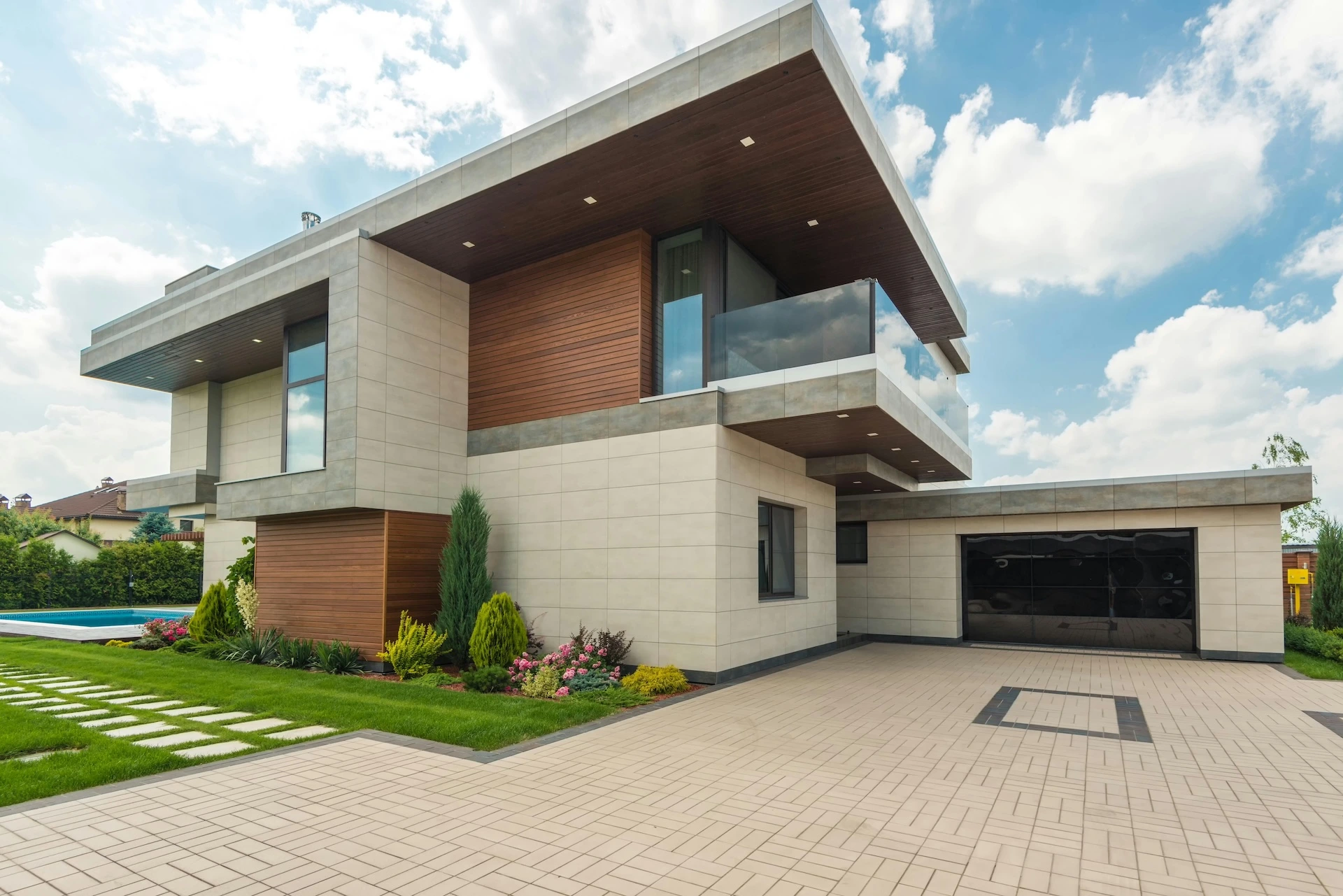
 In villas and luxury apartments, underfloor heating makes a radiator-free, spacious and comfortable life possible.
Maintenance and Points to Watch
Underfloor heating, when installed correctly, is a long-lasting and low-maintenance system. Still, a few points need attention for it to work healthily:
- The right floor covering and underlay: The system's efficiency depends on a compatible covering and the right (non-insulating) underlay choice. The wrong material reduces comfort and efficiency.
- Gradual commissioning: Especially in screed-based systems, bringing the heating into service gradually for the first time is important for the long life of the floor and the covering.
- Thermostat and zoning: Smart thermostats that can manage each space separately both increase comfort and prevent unnecessary energy consumption.
- Point loads and furniture: Large furniture without legs that sits directly on the floor can cause heat build-up in that area; this should be taken into account when planning the layout.
- Professional design: Pipe/cable spacing, heat source capacity and insulation must be calculated with the right engineering. A good design is half the system's lifespan.
Choosing the Right System and Expert Support
Water or electric, the whole home or a single room, heating only or heating and cooling? The right decision changes according to the size of the space, the existing infrastructure, the floor condition and your purpose of use:
- Comprehensive renovation + whole home: Water underfloor heating, especially together with a heat pump, is the most efficient and future-oriented solution.
- Single space + quick solution: For a bathroom, kitchen or a single room, the electric system stands out with its thin build and practical installation.
- Dual-season comfort in Antalya: If you are also considering underfloor cooling, the water system and a suitable heat source must be planned together.
- Holistic planning is essential: When the floor, insulation, installation and covering are all coordinated from a single source, the system shows its full potential.
What should not be forgotten is that the best system is not the "most expensive" but the one most suited to the space and its use. The right choice for someone who wants to heat a single room in a small apartment is very different from that of a villa owner installing services from scratch. That is why, before deciding, talking to an expert who sees the space in person and reads the need correctly is the most solid way to get the most out of both comfort and budget.
"Underfloor heating is not a comfort luxury but, when planned correctly, an infrastructure investment that fundamentally changes the heat balance of your home. Its secret lies as much in engineering as in materials."
To discuss which underfloor heating system suits your home or project, and to assess floor and installation compatibility, get in touch with us. With our free site survey and consultancy service, let's plan a comfortable and efficient solution together.