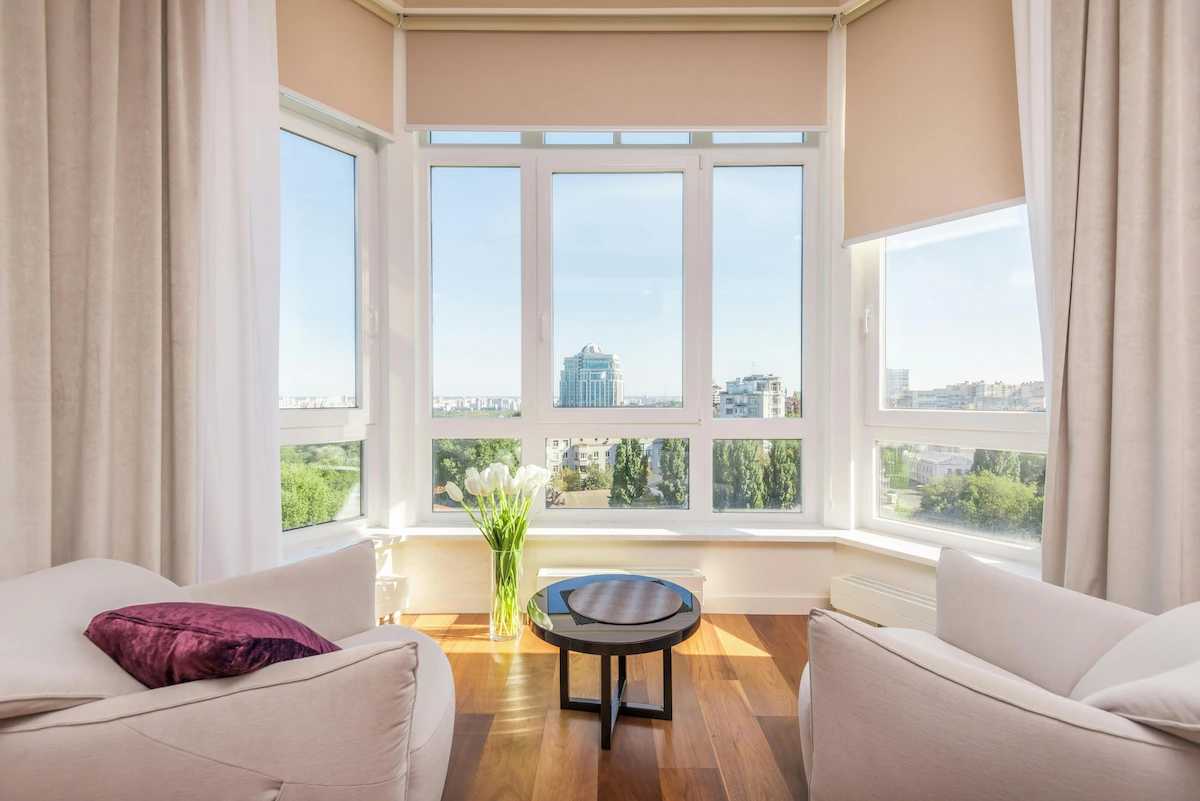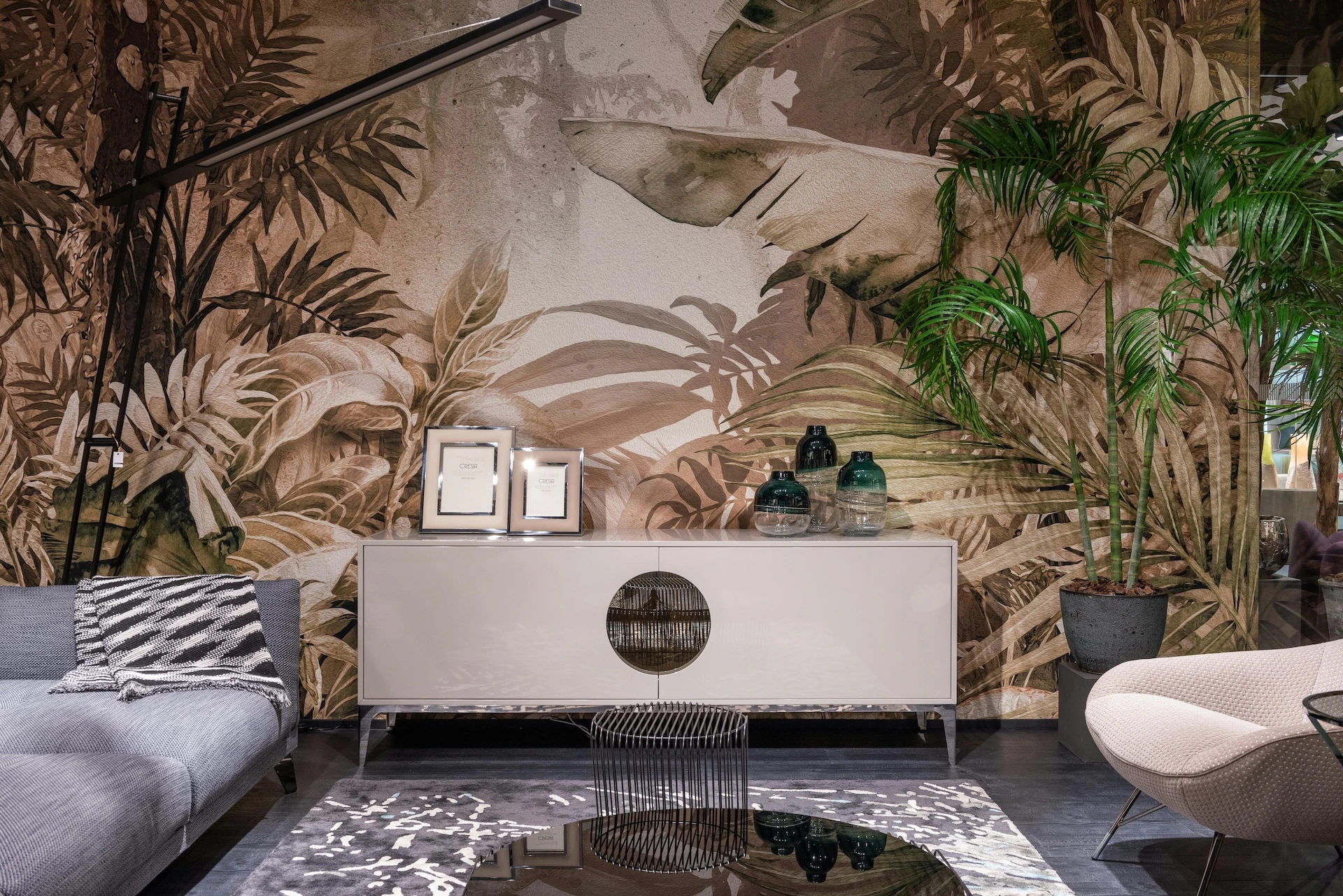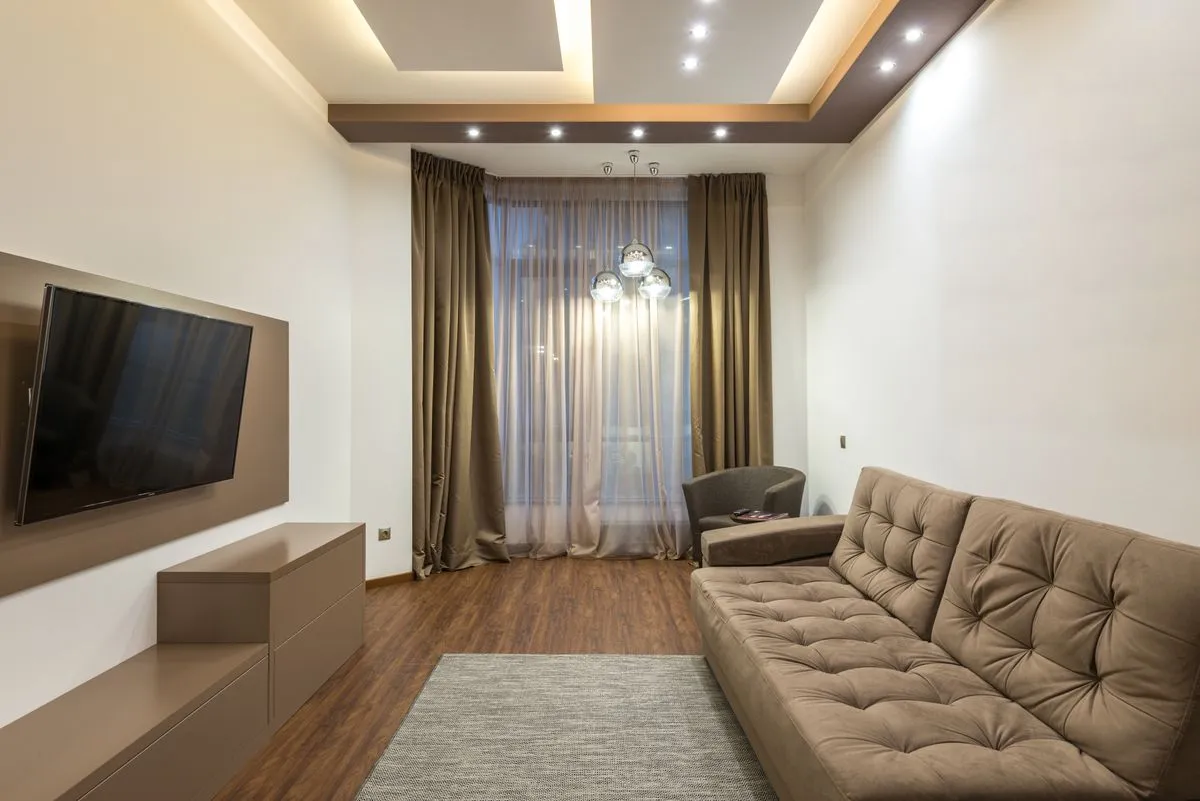
In renovation projects lighting is often left for last — yet the electrical infrastructure must be planned before the walls close. From spot counts to light colour, sconce heights to chandelier choice, every decision defines how the home feels after dark. Drawing on our project experience in Antalya, we have gathered the practical rules that actually work in home lighting.
Types of Spot Lighting
Under the "spot" umbrella live four quite different product families:
- Recessed downlights: Set into a gypsum or suspended ceiling so only the light ring shows. Their minimal, tidy look is the standard of modern homes. Trimless models merge completely with the ceiling for the most refined result.
- Surface-mounted spots: Used where recessing is impossible (concrete ceilings, low heights). Cylinder-shaped surface spots have also become a deliberate design statement — working as a decorative element in industrial and Scandinavian schemes.
- Track and magnetic track spots: Spots that slide and re-aim along a rail answer the need for flexibility. New-generation 48V magnetic track systems combine spots, linear bars and pendants on one rail — a favourite for open-plan kitchen-living rooms.
- Adjustable (gimbal) spots: With heads that tilt 30-45 degrees, these steer light onto walls, art or bookshelves — the essential tool of accent lighting.
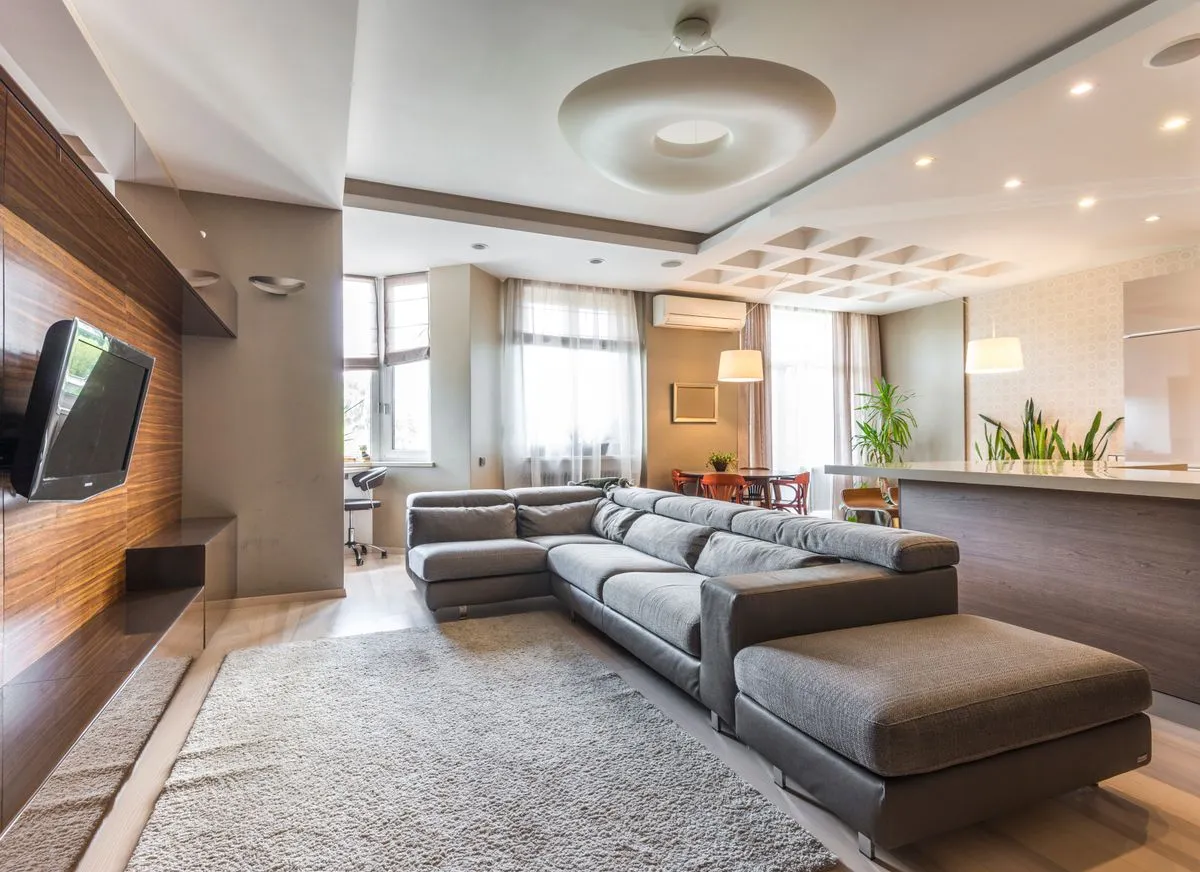 In an open-plan living room, recessed spots light the task zones while pendants and lamps warm the seating area.
Colour Temperature, CRI and Lumens
Before looking at housings, check three technical values — the colour, quality and quantity of the light:
- Colour temperature (Kelvin): 2700K warm white brings hotel and restaurant cosiness home; ideal for bedrooms and living rooms. 3000K is the balanced warm white and the safest choice throughout a home. 4000K neutral white belongs at task points like kitchen worktops, bathroom mirrors and desks. Avoid 5000K+ cool white in homes.
- Colour rendering index (CRI): CRI measures how naturally light reveals colours. Target CRI 90+ at home; cheap low-CRI spots make skin tones and fabrics look washed out.
- Lumens (light quantity): Watts are no longer a measure — look at lumens. An average recessed LED spot delivers 350-600 lm. Around 150-200 lm/m² of general light is a comfortable starting point in living rooms; kitchens and bathrooms want 250-300 lm/m².
- Beam angle: 36-40 degrees is standard for general lighting; narrow beams of 24 degrees or less serve art, niches and wall accents. Wide 60-degree beams give homogeneous light under low ceilings.
Room-by-Room Spot Selection
Every space has different light needs; scattering one spot type across the whole home is the most common mistake:
- Living room: Dimmable 3000K recessed spots + a decorative pendant/chandelier + sconces or lamps make the ideal trio. Avoid aiming spots at the TV wall; they reflect on the screen.
- Kitchen: 4000K spots at close spacing over the worktop are essential — the goal is a shadow-free work surface. Under-cabinet LED bars complete the task lighting. Over an island, decorative pendants add both light and style.
- Bathroom: As a wet area, use IP65 spots in the shower zone and at least IP44 elsewhere. Around the mirror, 4000K sconces or a lit mirror illuminate the face without shadows; ceiling spots alone cast harsh facial shadows.
- Bedroom: A few dimmable 2700K spots suffice. Never place a spot directly above the bed; it glares when you lie back. Bedside sconces provide comfortable reading light.
- Hallways: A single row of spots is enough in narrow spaces; 1-1.2 m spacing creates a rhythmic, elegant light line. In long corridors, wall-washer spots make the space feel wider than it is.
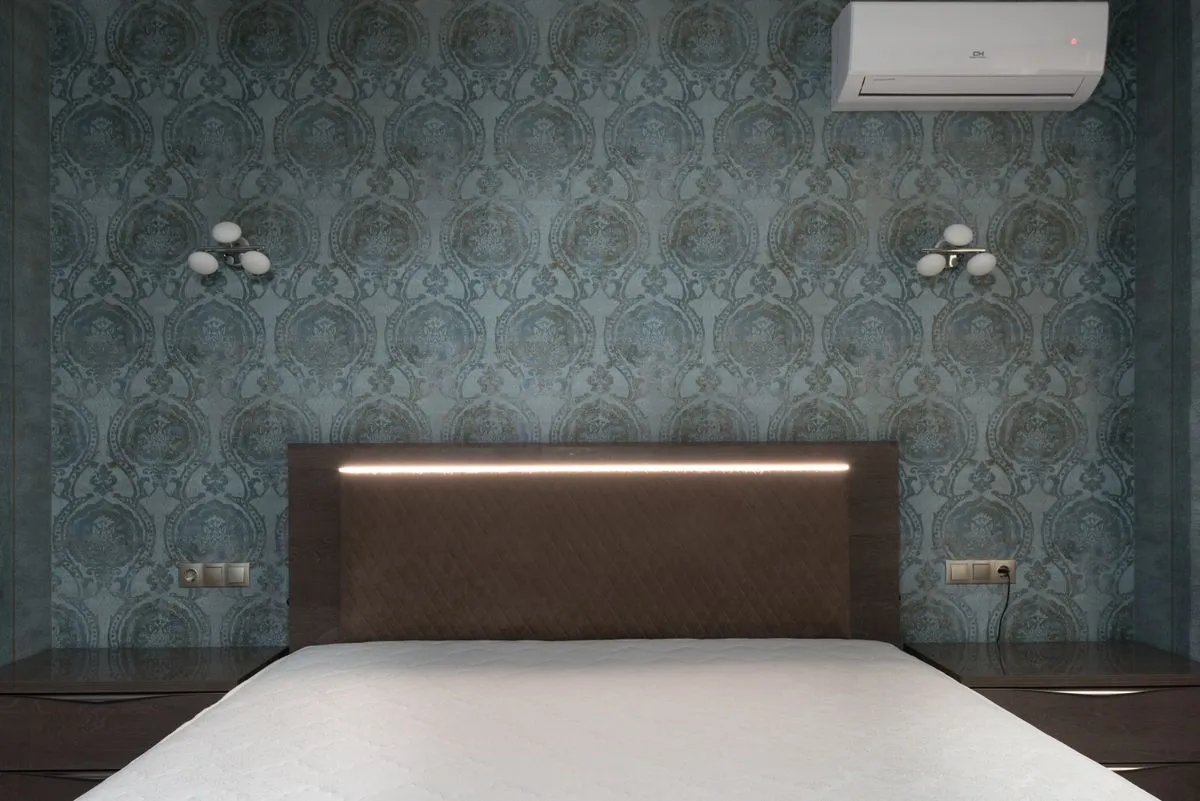 Bedside sconces and an LED strip behind the headboard: a soft light layer that makes ceiling spots unnecessary in the bedroom.
Placement Rules and How Many Spots
Spot placement should never be done by eye; a few simple rules transform the result:
- Distance from walls: Position spots 50-70 cm in from the wall. Spots too close to walls create uncomfortable bright patches (hotspots) and unwanted shadows on curtains and cabinet fronts.
- Spacing between spots: Rule of thumb: half the ceiling height. Under a 2.8 m ceiling, 1.3-1.4 m between spots is a good start; tighter grids add light but risk the "airport runway" look.
- Counting spots: Roughly: (room m² × target lumens) ÷ lumens per spot. Example: 25 m² living room × 180 lm = 4500 lm; with 500 lm spots ≈ 9 spots. With dimmers, sizing to the upper limit is always safe.
- Function over symmetry: Instead of spreading spots evenly, place them where the function is: dining table, worktop, reading corner, art wall. Lighting an empty floor centre is wasted lumens.
- Together with the furniture plan: Never finalise spot layout before the furniture layout; a sofa shifted 30 cm puts a spot right overhead and ruins the comfort.
Layered Lighting: Spots + Sconces + Chandeliers
The secret of professional lighting design lies not in one source but in layers. Three layers work together:
- General layer (spots): Recessed spots and hidden LED coves provide the base, homogeneous light. Alone, this layer is sufficient but characterless.
- Decorative layer (chandeliers and pendants): The chandelier is the jewellery of the room; it carries identity before light. Over a dining table the pendant's lowest point should hang 75-90 cm above the surface; in a living room a chandelier should clear the floor by at least 210 cm.
- Accent layer (sconces): Wall sconces add depth to walls and bring light to eye level. Practical mounting height: 160-170 cm from the floor. Rhythmic sconce runs in corridors, bedside sconces, and mirror-side sconces in bathrooms are the most effective uses.
- Scene logic: The three layers should be switched separately (or connected to a smart system). "Guests", "movie" and "dinner" scenes only become possible with this separation.
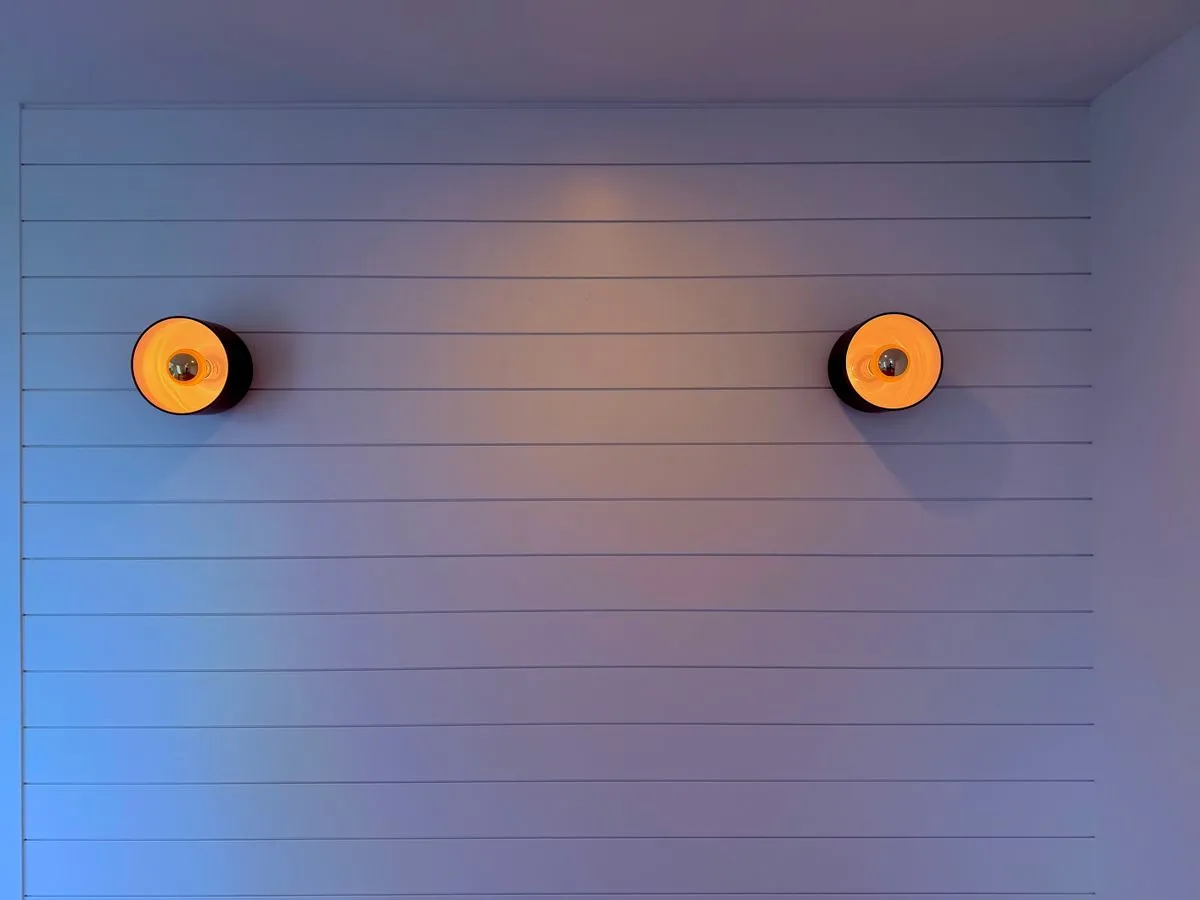 Symmetrical modern sconces on a panelled wall: warm light at eye level gives the wall depth and texture.
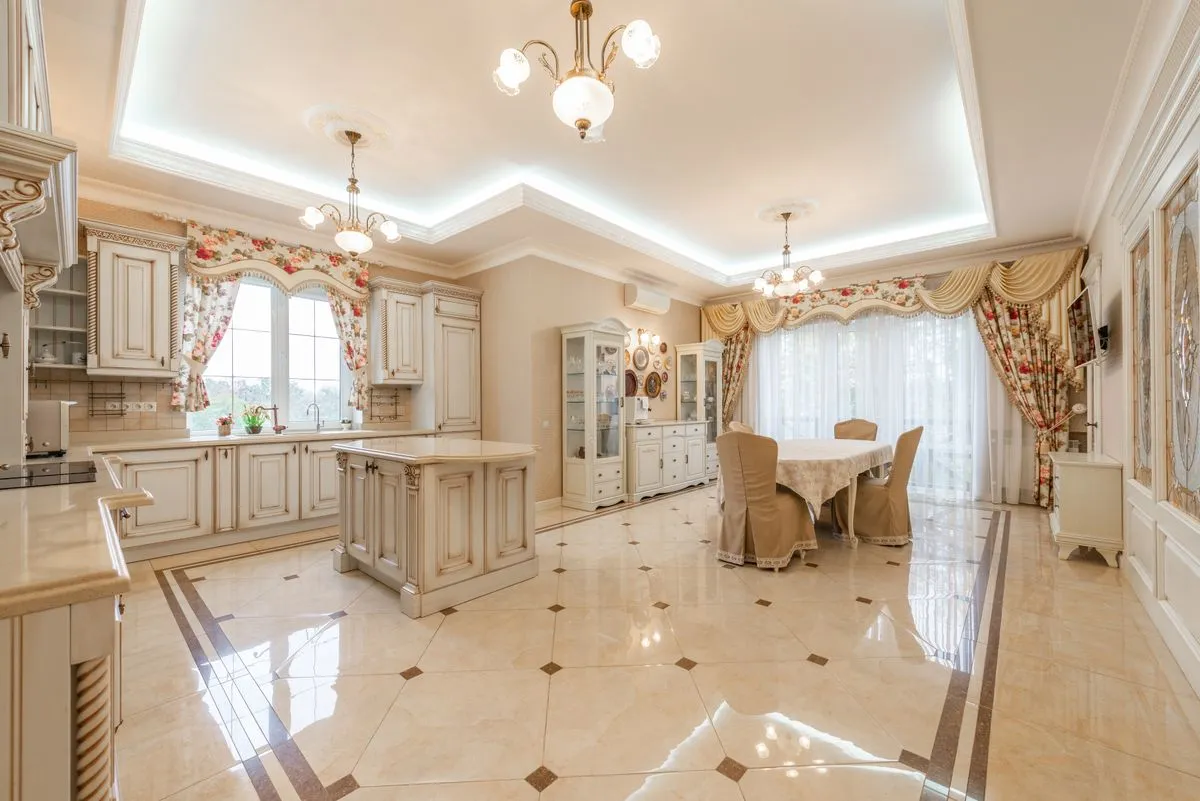 Chandeliers in a classic space with hidden LED cove in the stepped ceiling: the decorative and general layers working together.
Dimming and Smart Control
What turns lighting into comfort is often not the spots themselves but how they are controlled:
- Dimmer compatibility: Not every LED spot dims. Before buying, check for the "dimmable" mark and compatibility with the dimmer type (TRIAC, 0-10V, DALI). A mismatch causes flicker and hum.
- Smart spots and modules: Wi-Fi/Zigbee lamps and modules can make existing spots smart; colour temperature can follow the day (4000K in the morning, 2700K in the evening — human-centric lighting).
- Scene setting: In smart systems one touch moves all layers to preset levels — chandelier 100% and spots 60% for guests; only sconces at 20% for movies.
- Sensor areas: Motion-sensor spots in corridors, dressing rooms and bathrooms add comfort and energy savings; a 10% night mode setting keeps sleep undisturbed.
 A double-height crystal chandelier: in entrances and stairwells, a chandelier works like an architectural sculpture.
Buying Checklist
Check these items when shopping for spots and fixtures:
- Light values: Correct temperature between 2700-4000K, CRI ≥ 90, sufficient lumens. All spots within one space must share the same Kelvin value — mixed temperatures look messy.
- Driver quality: A spot's lifespan is set by the driver, not the LED chip. Models with external, replaceable drivers are a big long-term advantage. Flicker-free certified drivers matter for eye health.
- IP protection: IP44/IP65 for bathrooms and outdoors; special areas such as saunas and steam rooms require explicit manufacturer approval.
- Housing and heat management: Aluminium-bodied spots dissipate heat well; in cheap plastic housings the LED dies early. A 3-5 year minimum warranty signals a quality product.
- Spares: Buy 10% extra of your chosen spot model; finding the identical model and light tone years later is rarely possible.
"Good lighting goes unnoticed; bad lighting is noticed every single evening. The design is not the number of spots but where and how the light falls."
For expert support with your home's lighting plan, spot layout and fixture selection, get in touch with us. We offer free site surveys and consultancy.