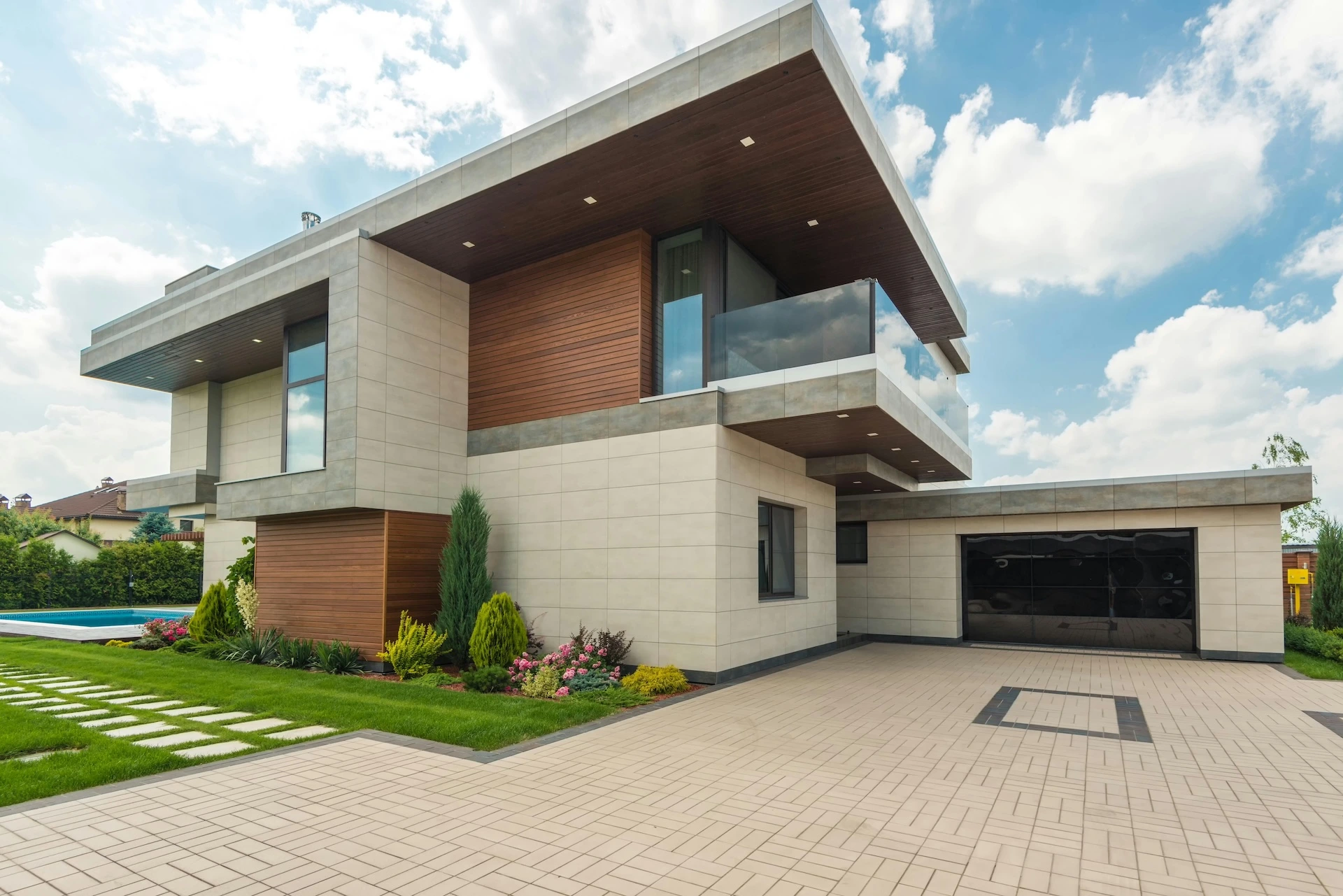
Villa renovation is far more than a cosmetic refresh — it is a serious investment that extends the life of the structure, dramatically improves its functionality, and adds significant market value. Antalya's sun-drenched Mediterranean climate, its rich architectural heritage, and the high concentration of foreign property owners all create a renovation context quite unlike any other city in Turkey. A villa remodel here involves a broader scope, a larger budget, and far more coordination than a standard apartment renovation. With the right knowledge and the right team, however, the process becomes a smooth and deeply rewarding transformation of your living space.
1. Architectural Planning and Design
The foundation of every successful villa renovation in Antalya lies in thorough architectural planning. The decisions made at this stage directly determine the trajectory and final outcome of the entire project. Skipping or rushing this phase is one of the most common — and most costly — mistakes property owners make.
Needs Analysis and Lifestyle Assessment
Every villa renovation should be shaped around the occupants' lifestyle and long-term expectations. How many people will live in the property? Does the villa frequently host guests? Is a dedicated home office needed for remote work? Are you planning a home gym, a hobby room, or a private cinema? Answering these questions precisely defines the spatial programme and prevents unnecessary expenditure on features that do not suit your daily life. For foreign owners who plan to use the villa seasonally or as a short-term rental property, the programme will look very different from a primary residence — and that distinction must inform the design from day one.
Structural Analysis
Particularly in older buildings, a structural survey is essential before any renovation work begins. If you are planning wall removals, room merges, or new additions, the intervention may affect the load-bearing system of the building. Any such changes legally require a stamped structural engineering report and an approved architectural project from a licensed professional. Beyond the legal requirement, this step is critical for the safety of everyone who will live in or visit the property. Ignoring it is a risk no responsible owner should take.
Design Concept and Material Pre-Selection
The overall aesthetic of the villa — colour palettes, material choices, and lighting strategy — is established at this stage. In Antalya, the most sought-after design directions blend Mediterranean style, contemporary minimalism, and elements drawn from traditional Turkish architecture. Natural stone, timber, and terracotta tile are local materials that offer both aesthetic appeal and strong climatic suitability. Choosing materials at the design stage rather than mid-project avoids costly changes of direction and ensures visual coherence throughout the finished renovation.
2. Mechanical and Electrical Systems
Given the large floor areas and complex layouts typical of villas, mechanical and electrical systems (MEP) carry enormous importance in any villa renovation project. Renewing the entire infrastructure during a remodel is not just about modernisation — it is a long-term investment in energy efficiency, safety, and reduced maintenance costs.
Heating and Cooling Systems
Antalya's climate demands both a highly effective cooling solution for the long, hot summers and adequate heating for the winter months. Underfloor heating offers unmatched comfort but is prohibitively expensive to retrofit once floors are finished — it must therefore be planned and installed during the renovation itself. VRF/VRV multi-zone air conditioning systems allow independent temperature control in each area of the villa, delivering both energy efficiency and personalised comfort. Solar-assisted combination boilers and heat pump systems are increasingly popular choices that take advantage of Antalya's exceptional solar resource, reducing energy bills substantially over their lifetime.
Plumbing and Drainage
Villas with multiple bathrooms, kitchens, and extensive outdoor irrigation systems place heavy demands on plumbing infrastructure. Existing pipework should be thoroughly inspected for leak risk, corrosion, and compatibility with modern fixtures. PPR or copper pipe is recommended for replacements. Rainwater harvesting systems, which collect and store roof runoff for garden irrigation and pool top-up, are both cost-effective and environmentally responsible — and they are increasingly specified in high-end villa renovations across the Antalya region.
Electrical Infrastructure Upgrade
Ageing electrical panels and undersized cable runs struggle to meet the demands of modern appliances, home entertainment systems, and smart home technology. A complete electrical upgrade — including a new consumer unit, improved earthing, and sufficient socket and lighting circuits in every room — should be one of the first tasks undertaken. LED lighting infrastructure and dimmer control systems should be designed into the electrical plan from the outset, as retrofitting them later is both disruptive and expensive.
 A villa interior equipped with modern MEP systems and smart home technology.
3. Facade Renewal and Insulation
A villa's exterior facade determines the first impression it makes and has a direct impact on the building's energy performance. A well-executed facade renovation significantly increases the property's market value, reduces long-term maintenance costs, and creates a dramatically improved visual identity. For luxury villa design in Antalya, the facade is often the single most visible statement of quality.
Thermal Insulation (External Wall Insulation Systems)
In Antalya's climate, inadequate facade insulation allows summer heat to penetrate interior spaces and forces air conditioning systems to work far harder than necessary. Mineral wool or EPS-based external wall insulation systems keep interiors cool in summer, prevent heat loss in winter, and deliver measurable reductions in heating and cooling costs. A correctly installed external insulation system provides reliable, trouble-free performance for 15-20 years, making it one of the best-value investments in any villa remodel.
Facade Cladding Options
Beyond traditional render and paint, villa owners in Antalya have access to a wide range of premium cladding options: natural stone, composite panels, and timber cladding are all popular choices. Travertine, limestone, and marble cladding are especially well-suited to Antalya's architectural context, offering durability alongside timeless elegance. For painted surfaces, silicone-based exterior paints provide superior resistance to the moisture and salt air inherent in a Mediterranean coastal climate.
Roof Renewal and Waterproofing
The flat roofs characteristic of Mediterranean-style villas in Antalya make waterproofing a critical concern. Renewing roof membranes, clearing and upgrading drainage systems, and refreshing terrace surface treatments permanently resolves moisture ingress and damp problems inside the building. Converting a flat roof terrace into a usable living or relaxation space — a rooftop terrace — is a growing trend in Antalya villa renovation that adds both lifestyle value and rental appeal.
4. Pool and Garden Design
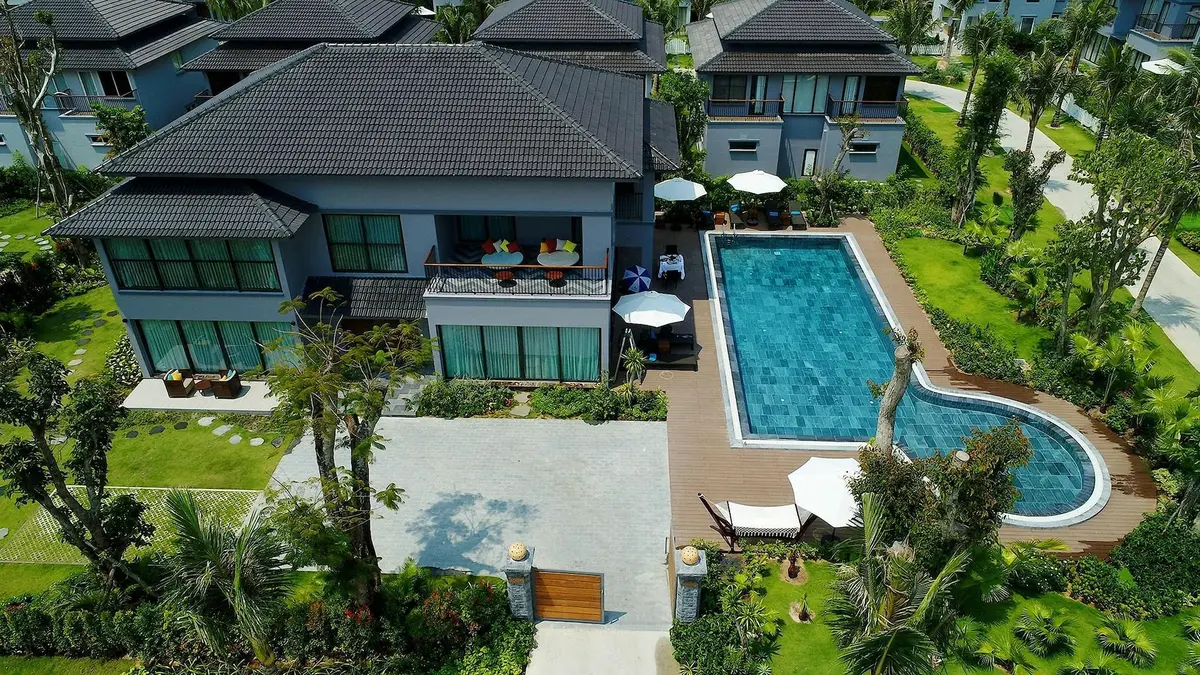
One of the greatest advantages of owning a villa is the extent of outdoor living space it provides. Renovating or redesigning the pool and garden directly affects the property's quality of life and its market value — especially in a market like Antalya, where outdoor living is central to the lifestyle. For a deeper dive into this topic, visit our dedicated villa pool design guide.
Renovating an Existing Pool
The most common issues in older pools include delaminating mosaic or tile finishes, water leaks, and outdated filtration and pump equipment. Pool surface renewal options include glass mosaic, specialist pool paint systems, and glazed ceramic tile — each with different durability and aesthetic characteristics. Modern salt chlorination or UV sterilisation systems minimise chemical use, improving both user health and ease of maintenance. Upgrading the pump and filtration system also improves energy efficiency, reducing the ongoing operating cost of the pool significantly.
New Pool Design
If the villa does not have a pool, or the existing pool is too small or outdated to be worth renovating, a new design can add exceptional value. Infinity pools that appear to merge with the Antalya landscape or sea view are the most prestigious option at the luxury end of the market. A combination of a main swimming pool with a shallow children's section is a practical choice for family use. Pool heating systems extend the swimming season well beyond the summer months, maximising the return on the investment and increasing the rental season for short-term lets.
Landscaping and Irrigation Systems
A landscaping design built around plants native to the Mediterranean climate is both aesthetically compelling and sustainably responsible. Olive trees, lavender, bougainvillea, and a range of succulent species adapt perfectly to Antalya's dry summers and require minimal intervention once established. Smart irrigation control systems using moisture sensors to automatically adjust watering schedules eliminate water waste while keeping the garden in excellent condition year-round.
5. Smart Home System Integration
In modern villa renovation, smart home technology is no longer a luxury add-on — it is an expected standard that improves quality of life, energy efficiency, and security. For a comprehensive overview of this topic, we recommend reading our complete smart home conversion guide.
Central Control and Home Automation
KNX, Z-Wave, or Zigbee-based central automation systems allow full control of a villa's electrical infrastructure from a single panel or a smartphone, wherever the owner happens to be in the world. Lighting scenes — evening mode, cinema mode, night mode — motorised blinds and curtains, and climate control are the core functions of these systems. For foreign owners who spend only part of the year in Antalya, remote control of the property provides both peace of mind and the ability to prepare the villa before arrival.
Security and Surveillance
IP cameras, motion sensors, and smart door locks are essential for securing a villa remotely. This is particularly important for properties that sit empty during the off-season or are used as short-term rentals, where remote monitoring provides both security and management convenience. Video intercom systems and integrated alarm systems complete a robust perimeter security solution that can be monitored from anywhere in the world via a mobile app.
Energy Management and Solar Panels
With over 300 sunny days per year, Antalya offers one of the most attractive environments for solar energy investment anywhere in Europe. A photovoltaic system installed on the villa roof dramatically reduces monthly electricity bills and, with battery storage added, provides uninterrupted power supply during grid outages. Smart energy monitoring panels display real-time consumption data for every circuit and appliance in the property, allowing owners to identify waste and optimise usage patterns over time.
6. Permits and Legal Process in Turkey
Complying with Turkish planning and construction law during a villa renovation is essential to avoid demolition orders, heavy fines, and complications when selling or transferring the property. Understanding clearly which works require a permit and which do not is one of the most important pieces of knowledge any villa owner in Turkey can have.
Works That Do Not Require a Permit
Under Turkish construction law, renovation works that do not affect the exterior appearance of the building or its load-bearing structure generally do not require a separate building permit. These include interior painting, floor covering replacement, kitchen and bathroom renovation without wall changes, re-running existing utilities along the same routes, and furniture replacement. While these works are permit-free, they must still be carried out by qualified contractors and must comply with applicable technical standards.
Works That Require a Building Permit
Facade changes, removal of load-bearing walls, new extensions that increase the enclosed floor area, adding a loft level, or changing the intended use of the building all require a building permit from the relevant municipality. Applications require a stamped architectural project, a structural engineering calculation report, and the property title deed. The process typically takes between one and three months to complete. Starting permitted works without the required approval is a serious legal risk that can result in costly enforcement action.
Important Notes for Foreign Owners
Foreign nationals who own villas in Antalya may face additional documentation requirements when applying for building permits. Appointing a Turkish lawyer or consultant to manage the process under a power of attorney significantly accelerates the procedure and reduces the risk of delays caused by translation or procedural errors. Our team has extensive experience supporting foreign clients through the permit process. Contact us for guidance tailored to your situation.
7. Cost Analysis and Budget Planning
Budget planning is the most critical — and most frequently mismanaged — phase of any villa renovation project. Building a realistic budget from the outset protects you from surprise costs and from the deeply frustrating scenario of a half-finished project that has exhausted its funds. Understanding the cost structure is the first step toward a budget that works.
Cost Components
Villa renovation costs in Antalya generally fall into the following categories:
- Labour costs: Typically 30-40% of the total budget. The skill level and experience of the tradespeople directly affects both price and outcome.
- Material costs: 40-50% of the total, depending on the quality of finishes specified. The price differential between imported and locally sourced materials should be evaluated carefully against performance and aesthetics.
- Architectural and engineering fees: 5-10% of the total budget, depending on the scale and complexity of the project.
- Permit and municipal fees: Typically 1-3% of the total, varying by municipality and the scope of works requiring approval.
- Contingency reserve: A contingency of 10-15% of the total budget is essential. Hidden structural issues, material price fluctuations, and unforeseen site conditions make this reserve not optional, but necessary.
Average Villa Renovation Cost in Antalya (2025)
As a general guide, comprehensive interior renovation (flooring, painting, bathroom, kitchen) runs from $800 to $1,500 per square metre. Full facade renewal including external insulation costs between $150 and $400 per square metre. Pool renovation ranges from $15,000 to $50,000 depending on size and materials. Smart home system installation runs from $5,000 to $30,000 depending on scope and specification. Landscaping and garden design typically costs between $10,000 and $40,000. These figures are indicative; actual costs for your specific villa may vary based on its condition, size, location, and the standard of finish you are targeting.
Contract and Payment Schedule
A detailed contract is non-negotiable in any villa renovation of significant scale. The contract must specify individual work items, the brands and grades of materials to be used, a realistic project timeline with milestones, and a clear payment schedule. Milestone-based payments — releasing funds only upon verified completion of defined phases — protect both the client and the contractor. The upfront deposit should never exceed 20-25% of the total contract value. Working with a reputable contractor who provides a signed, detailed contract is one of the single most important steps you can take to protect your investment.
"Villa renovation is a transformation of a lifestyle. By carefully planning every detail, we bring your dream comfort and aesthetics into your home."
8. Interior Design Trends 2025-2026
Aesthetic choices in villa renovation draw from a synthesis of global design trends and the local Mediterranean culture that defines life in Antalya. The leading directions for 2025-2026 reflect a broader shift toward authenticity, natural materials, and spaces that genuinely support wellbeing — a movement that aligns naturally with everything the Antalya lifestyle already offers.
Biophilic Design
Biophilic design — which uses natural materials, living greenery, and generous natural light to blur the boundary between interior and exterior — continues to be the dominant trend of 2025. Wide glass facades, open-plan living spaces, and sliding door systems that open fully onto terraces and gardens are the architectural expressions of this philosophy. In Antalya, where sea views, mountain backdrops, and lush Mediterranean vegetation are part of everyday life, biophilic design feels not like a trend but like a natural conclusion. Bringing the outside in has never been more relevant to luxury villa design in Antalya.
Natural Stone and Terracotta
Marble, travertine, and limestone for floors and feature walls; natural terracotta ceramic tiles; and raw concrete surfaces have become the defining materials of the luxury rustic aesthetic that dominates high-end villa remodels. Antalya's proximity to world-class stone quarries makes these materials more accessible here than almost anywhere else, allowing owners to specify quality finishes at costs that would be prohibitive in Northern Europe or the United States. The natural variation in these materials gives each villa an irreproducible, one-of-a-kind character.
Dual-Purpose Furniture and Smart Storage
In villas designed for short-term rental or flexible use, functionality must meet aesthetics without compromise. Beds with concealed storage drawers, convertible furniture systems, and fully integrated wardrobe solutions built flush with the wall save space while delivering a seamless, contemporary look. This approach is especially popular in rental-optimised villa renovations, where maximising usable space in every room directly translates to higher nightly rates and better reviews.
Local Art and Handcrafted Elements
Hand-painted Iznik-style tiles, custom-woven Turkish rugs, and copper and brass accessories produced by local artisans in Antalya and across Turkey give a renovated villa a distinct, authentic identity that no amount of imported furniture can replicate. These choices simultaneously support the local craft economy, tell a story about place, and create the kind of atmosphere that guests and buyers remember long after they leave. In a competitive rental market, authentic character is a genuine differentiator.